
You've uploaded the track, set the release date, and told everyone it's coming. Then release day hits, it's a blur, and two weeks later you're already thinking about the next one.
Lots of artists do this. And most are leaving real opportunities on the table because they don't understand how to release music strategically.
Here are five things that tend to get forgotten, and what to do about each one.
1. Organise your metadata
Let’s start with the boring stuff. Metadata. Nobody wants to think about it. But incorrect or incomplete metadata, wrong genre tags, missing songwriter credits, misspelled featured artist names, creates problems that are genuinely difficult to fix after release.
Some of those issues affect how your music is categorised across platforms. For example, playlist editors at the major DSPs can filter submissions by genre, so incorrect tagging means there’s less chance it gets picked for editorial placement.
Before you release anything, take 20 minutes to go through your metadata properly. Check that your ISRC codes are assigned, your credits are accurate, and your genre tags actually reflect your sound.
2. Nailing your artist bio
When did you last update your bio on Spotify, Apple Music, or your press kit?
Your bio is often one of the first things people check when they discover your music. Music folk such as journalists, radio producers and curators want to understand your brand and your story, whilst a strong bio can help deepen the connection between you and potential fans.
An outdated bio with old information (or even no bio at all), makes you look inactive, even if you distribute music online consistently.
Keep it short, keep it current, and write it in third person. Lead with something specific about your sound or your story, not a list of generic descriptors. "Indie pop artist from Manchester" tells the curator nothing. "Alice makes quiet, unsettling pop about the specific anxiety of being 27 and not knowing what you're doing" is actually interesting.
3. Analysing your data (before and after release)
The first two to four weeks after a release is the most data-rich period you'll have for that track.
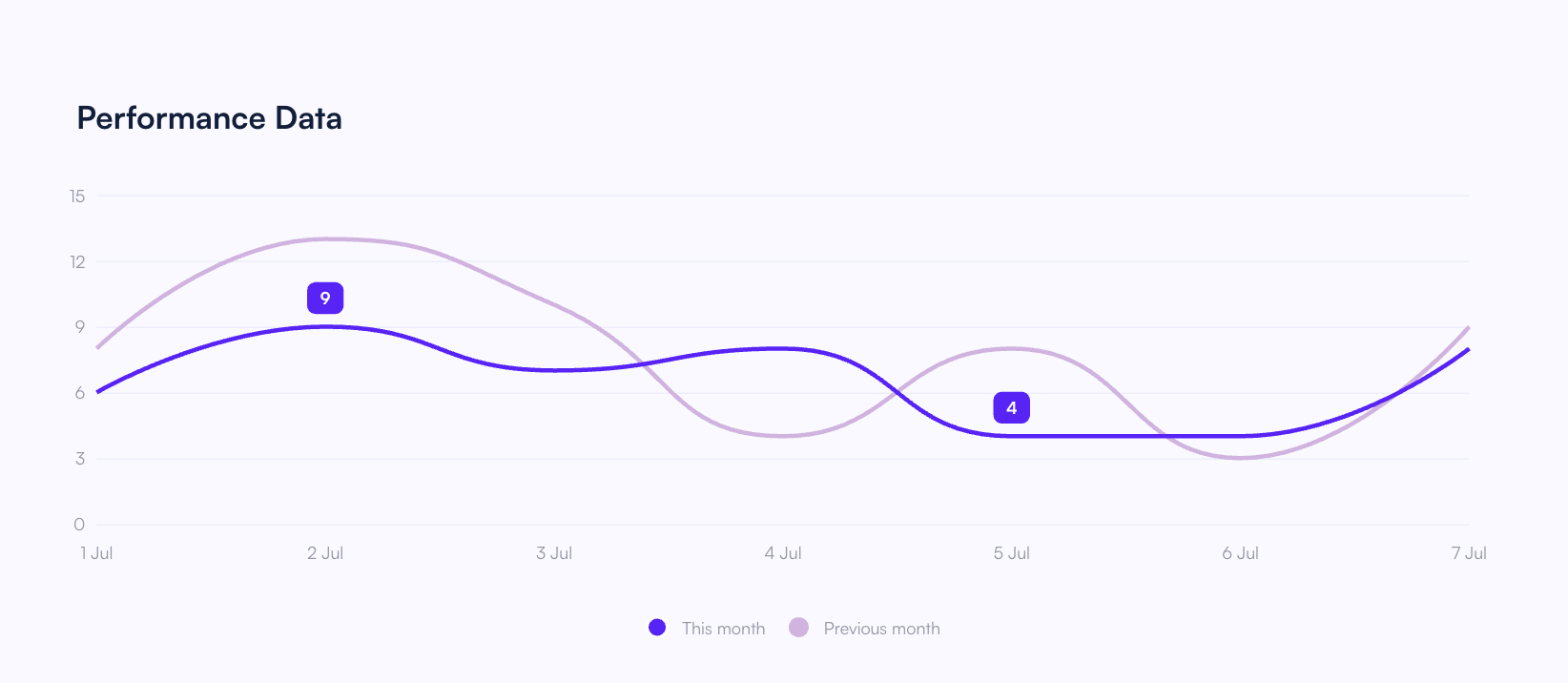
Spotify for Artists, Apple Music for Artists, and your distributor dashboard are all showing you where your listeners are, how they found the song, what playlists it ended up on.
Most artists don't look at any of this.
You don't need to become a data analyst. But knowing that 40% of your fans are coming from São Paulo, or that one playlist you'd never heard of is driving most of your saves, changes how you think about your next release. It tells you where to focus your energy. It tells you what's working.
Look at your data while the release is still fresh. Write down three things you learned. Apply them next time.
4. Engaging with your community
The first 48 hours after a release matters algorithmically. Platforms pay attention to engagement signals, comments, shares, saves, playlist adds, when deciding whether to surface your music to new listeners.
That means the way you show up in those first two days has a real impact.
Reply to every comment. Not with a heart, with an actual reply. If someone says they love the track, ask them what line hit them hardest. If someone shares it, re-share their post. These interactions take five minutes and tell the algorithm that your release is generating genuine engagement.
Top Tip - Video replies work particularly well right now. If you're on TikTok or Instagram Reels, responding to comments with a short video (10 to 20 seconds, you talking to camera) gets significantly more reach than a text reply. You don't need to be performative about it. Just be a human being responding to the people who showed up for you.
5. Optimising your streaming profiles
This one takes less than an hour and most artists have never done it properly.
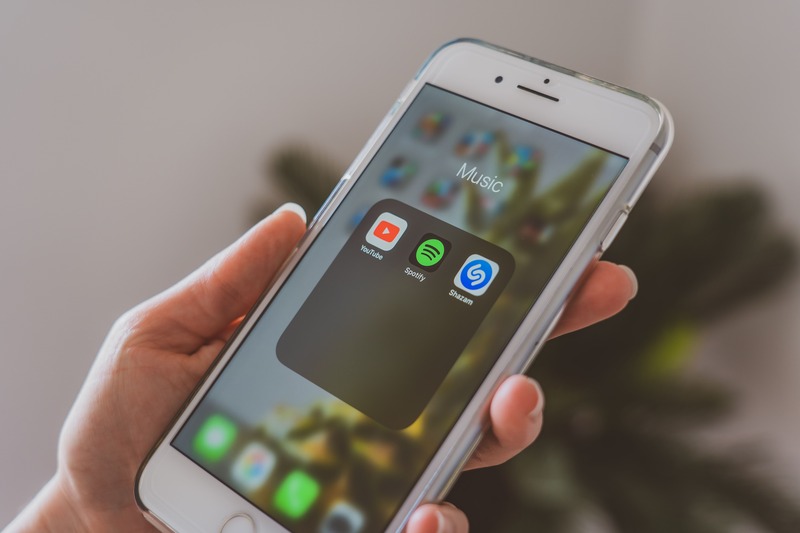
On Spotify, make sure your Artist Pick is set to your latest release. Check that your header image is current and looks good on mobile (most of your listeners are on mobile). Make sure your discography order makes sense to a new listener who's found you for the first time.
On Apple Music, check that your artist image is high resolution and that your featured releases are set correctly.
While you're there, claim your profiles on any platforms you haven't yet. Amazon Music for Artists and Deezer both have artist dashboard tools that are worth setting up even if you don't spend much time there. The more places your profile looks active and complete, the better.
Putting it all together
None of these things are complicated. None of them require a big budget or a team. They just require the discipline to do them, which is hard when you're also writing, recording, promoting, and doing everything else that comes with being an independent artist.
If you want a way to keep all of this in one place, un:hurd's Release Cycle builds you an 8-week roadmap for each release, covering everything from pre-release tasks to post-release promotion, so nothing slips through. It's free to start and takes about 10 minutes to set up for your next project.
Join the conversation