
Independent artists now account for the majority of new music released every year, but most are figuring out distribution as they go. Most of the time, they don't lose streams due to bad music. They lose them to a late upload, a skipped pre-save, a royalty split nobody wrote down, or by not understanding what a distributor actually does for a release.
Here's how music distribution actually works, how to pick the right distributor, and where most people go wrong. The artists who build something lasting treat distribution like the business decision it is. Let’s dive into it.
What is music distribution?
Music distribution is how artists get music onto Spotify, Apple Music, TikTok, Amazon Music, and every other platform people listen on. A distributor like Ditto is the middleman that delivers your files, metadata, and artwork to each of those platforms and collects your royalties when people stream or buy your music.
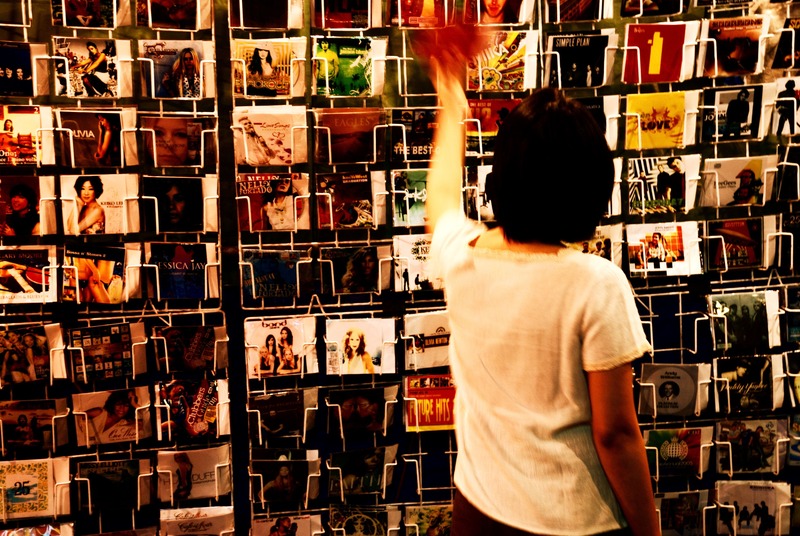
In simple terms, music distribution is exactly what it sounds like, getting your music out to the places people can listen to it, both physically and, how most music is listened to nowadays, online. It's tempting to picture that as a straight line from artist to listener, but it's not that simple anymore. A listener might discover your track on Spotify, someone else finds it through a TikTok sound, another hears it on the radio, and someone's still buying vinyl at a record store, and that's before you count everywhere else people are listening.
That's the job a music distributor does, they get your track onto every platform your audience might be using. With billions of listeners spread across that many formats, distribution isn't optional anymore, it's a fundamental part of how releasing music works. If you want your music to actually reach people, you need a music distributor doing that for you.
How to distribute your music independently
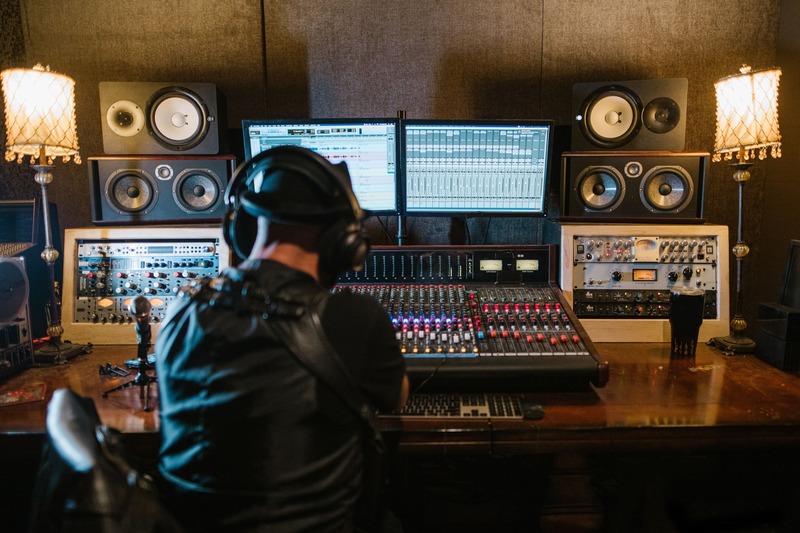
Mix and master your track properly
Distributors won't fix a bad mix, they just deliver whatever you give them, exactly as it sounds. The quality of your final track is down to you. Before you upload anything, make sure your track is mastered and meets industry streaming standards, not CD or club standards, which is a mistake a lot of tracks fall into. Most platforms are built around a target of roughly -14 LUFS, and a track mastered louder than that gets turned down automatically, often flattening the dynamics you spent hours getting right.
Once it's mastered, export it properly:
- WAV file - 16-bit/44.1kHz minimum
- Not MP3 - most major stores won't accept it
If you're not sure your mix is actually finished, get someone outside the project to listen before you submit. A rough master is one of the most common reasons independent releases underperform, not the song, or the marketing, just a mix that wasn't quite there yet.
Get your artwork right
Your artwork is doing more work than people give it credit for and is often the first thing a listener sees. Don't rush it. Whether you're using a designer or creating it yourself, give it the same care as the music itself.
When you have your design, make sure it meets the artwork guidelines, this is a common reason most artwork gets rejected, no matter how good the design is. It's worth the extra day when your release goes live looking exactly right:
- A perfect square
- Minimum 3000x3000px
- No blurriness or pixelation
- No URLs
- No social media handles or logos
- No references to other brands
- Nothing explicit
- JPG or PNG format
Get this part right and it's one less thing that can hold your release back.
Get your metadata right
Metadata plays a key role in everything from music distribution to copyright management, so making sure you get your metadata right is vital. Every release needs two codes: an ISRC, which identifies the specific recording, and a UPC or barcode, which identifies the release itself as a product. Most distributors, including Ditto, generate both of these for you automatically.
Beyond that, everything you type in matters more than it seems: spell titles correctly, keep formatting consistent across every track, and get genre/subgenre tags and full songwriter and producer credits sorted before you submit, not after. Type "Midnight (Radio Edit) ft. DJ Nobody" into your title field and a store's system doesn't see a stylistic choice, it sees a metadata error, and your release gets held up until it is fixed, so getting this right is critical.
Clear your samples
If there's a sample in your track you don't have explicit permission to use, it's not a grey area, it's illegal, and most distributors will pull the release once they catch it, which they usually do. Clear it before you upload, not after.
Choose a music distributor
You'll likely be with this distributor for a few years, so it's worth getting right the first time. Not every service offers the same reliability, tools, or value once you look past the price. What matters most also depends on where you're at: a first release and a catalogue you're scaling need different things.
Here’s some things to consider when choosing a music distributor:
- Do you keep 100% of your royalties? Some distributors take a revenue cut instead of charging upfront, know which model you're signing up for and earn more from your music.
- Royalty reporting is one of the most common complaints artists have about distributors, so check you can actually see what you're earning, not just that a number shows up somewhere without context.
- Do you own your masters? You should never sign away ownership of your recordings to a distributor.
- Watch for hidden fees! Some distributors charge extra to add a collaborator, shift a release date, or make basic changes after the fact. Understand what's valuable and what you need for your release campaigns.
- What's included beyond basic distribution? Sync licensing, publishing services, and marketing tools vary a lot between distributors and matter more once you're releasing regularly. They can also massively support your release campaigns and help you grow faster.
For a full breakdown of how the major distribution platforms stack up, view our guide to compare the best music distribution services.
Submit your release
Once you have signed up with a music distributor, it’s time to upload your final WAV, artwork and metadata together. This is where most delays happen, not because something's wrong with the release, but because a field got missed. Double-check everything before you hit submit.
Set up your pre-save and pitch for playlists
Once your release is scheduled, set up a pre-save link so fans can add it to their library before release day. This signals demand to Spotify's algorithm, which can help with playlist placement. Pitch to Spotify's editorial team through Spotify for Artists, and to Apple Music through your distributor's dashboard, at least a week before release, and make the most of the marketing tools available to help push your release to as many people as possible.
Track your royalties
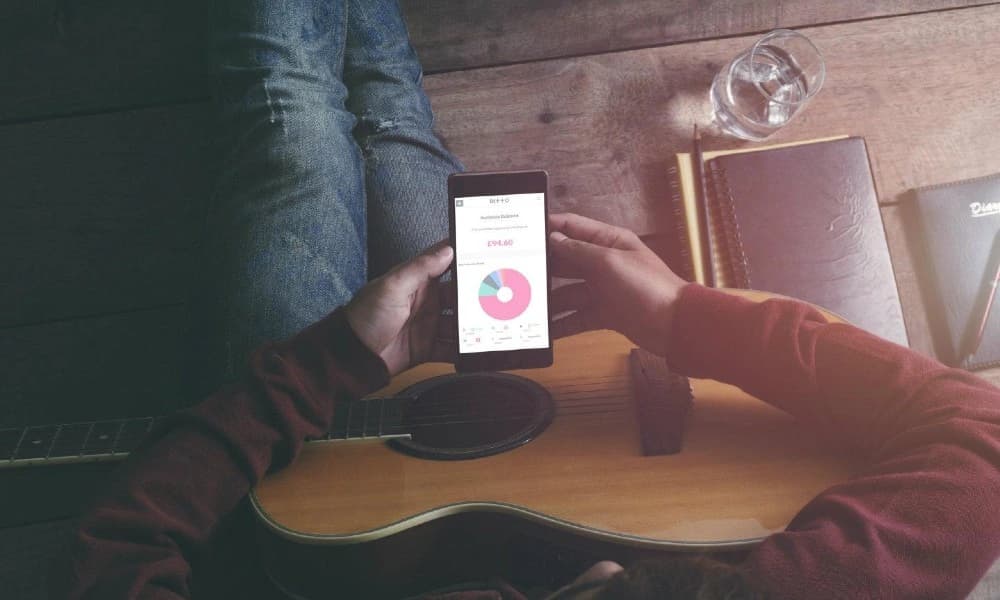
After release, your distributor should show you streaming and download data per platform. Make sure you understand how music royalties work and use it to see what's actually working, then put your time or budget behind that instead of guessing.

Common distribution mistakes artists make
Most of these don't come from a bad release, they come from something small getting overlooked in the process. Here's what trips up independent artists most often:
Uploading too close to the release date
Give yourself at least 2–3 weeks of lead time for pitching and pre-saves to actually work.
Skipping songwriter/publishing splits
If you don't register who wrote what, you can lose out on royalties you're owed later. Agree splits and credits with collaborators up front, sorting that out after release is a much harder conversation.
Ignoring metadata consistency
If your artist name is spelled differently across releases then streaming platforms may not merge your stats, which will hurt your algorithmic visibility.
Switching distributors at the wrong time
Moving platforms at the wrong time can reset momentum you've already built and cost you more than it's worth. Avoid switching just before a release goes live, especially if a track has playlist traction and make sure you've got all your metadata sorted for the move ahead of time.
Treating distribution as a one-time task
The artists who grow steadily release consistently, not sporadically.
Music distribution frequently asked questions
How long does music distribution take?
Most distributors can take up to a couple of weeks to get your music live on major platforms. With Ditto, it can be as quick as 1–3 days.
Can I distribute music without a record label?
Yes — this is now the default path for most independent artists. A distributor gets you onto every major platform without needing a label deal.
Is free music distribution actually worth it?
Only if you know what you're really paying. Most free distributors take a cut of your royalties instead of charging upfront, so you're still paying, just later, and usually more. Ditto offers unlimited releases and you keep 100% of your royalties.
What's the difference between a distribution deal and signing to a label?
A distribution deal gets your music onto every platform, and with the right distributor you keep 100% of your royalties. A label deal gets you funding and promotion in exchange for a cut of your music, sometimes ownership of your masters too. A lot of independent artists today choose distribution and stay independent.
Join the conversation