
How to Split Music Royalties with Producers and Songwriters
Creating and managing a full music release all on your own can be pretty challenging, so most musical projects nowadays involve multiple contributors. As useful as it is to get a helping hand from different collaborators, you need to make sure that you’re splitting royalties fairly with your producers and songwriters.
This is your introduction to producer and songwriter splits and how to fairly distribute your royalties between everyone.
What are songwriter splits?
Songwriter splits refer to how royalties are shared out amongst songwriters and other music stakeholders.
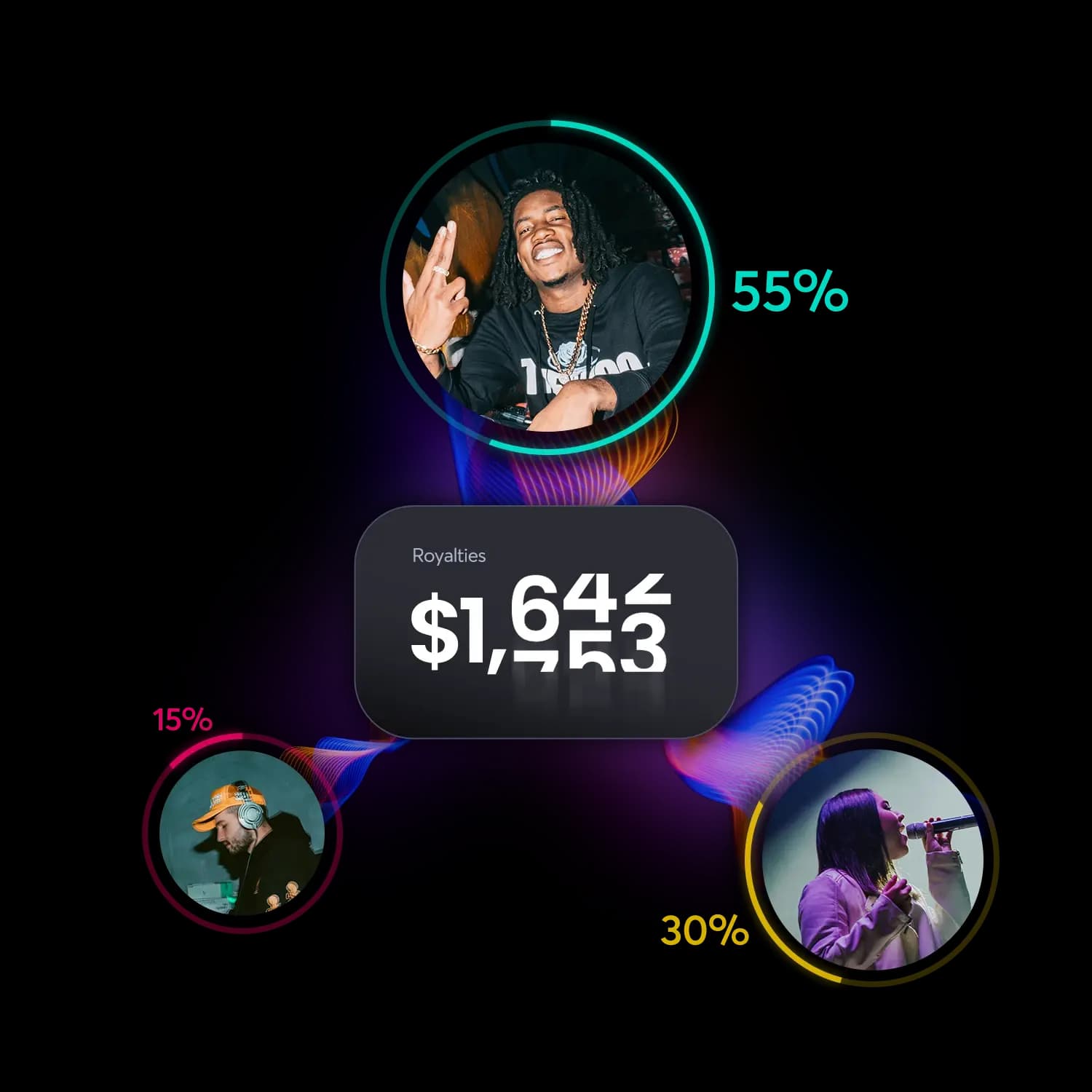
If multiple songwriters are collaborating on a song, it's important to decide how to divvy out royalty payments. Usually, songwriter splits are worked out as a percentage, with each songwriter receiving a shared portion based on their contribution to the project.
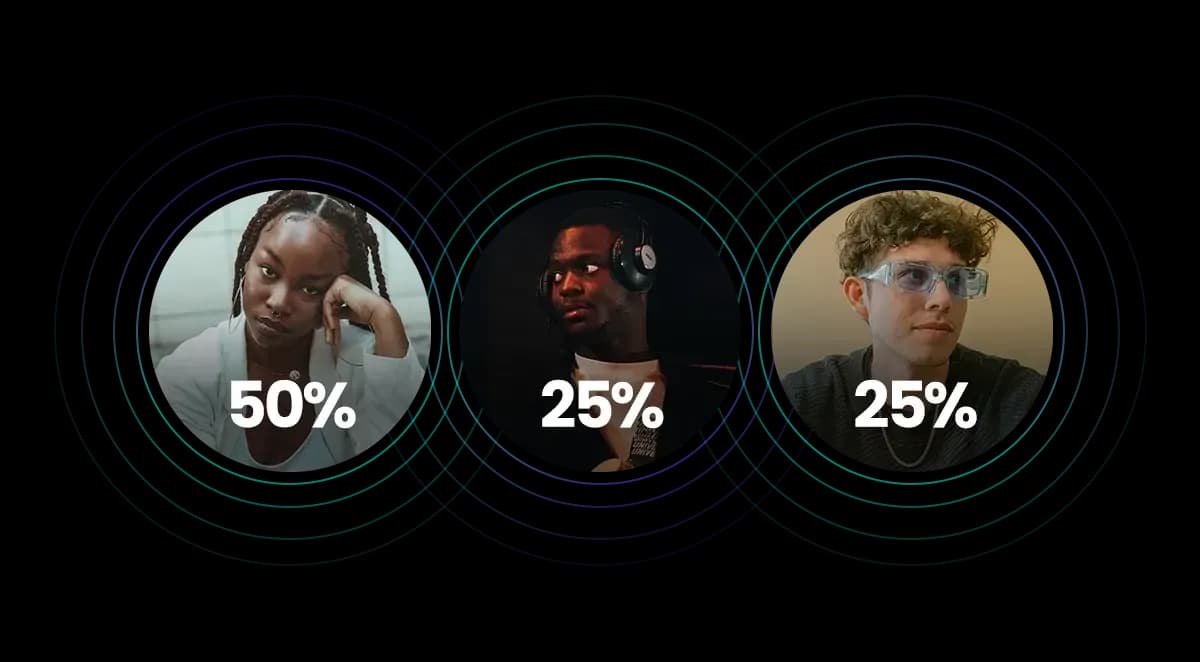
For example, if a song has two main writers and they both shared lyric and melodic tasks equally, then both would receive a 50% split. However, it’s not always as simple as this as splits can vary depending on specific agreements between songwriters.
To avoid any difficult conversations, clear communication and outlined agreements are crucial to ensuring that each songwriter receives fair compensation for their contributions to the song. We’ll cover the best ways to decide upon split percentages a little later.
What are producer splits?
In the same way that songwriters split royalties between themselves, producer royalty splits are divided between the artists and producers involved in creating a piece of musical work.
These royalties are usually generated from streaming services, radio airplay, digital downloads and any music sync licensing deals you’ve secured.
Producers typically earn around 20 to 25% of the artist's take. However, these numbers aren't set in stone - they vary based on the producer and the artist. Indie or independent artists often see producers claiming a larger share.
Factors impacting royalty splits
Producers play a key and varied role in music creation. Alongside crafting fresh beats and catchy melodies, they often contribute to songwriting, arranging, recording, mixing, and even creative tasks. Your music producer can shape the entire sonic identity of your track or album.
Because of this multifaceted role that most producers play, there’s not really a concrete template for how your royalties should be split between artists and producers. Splits need to consider loads of different factors, such as the producer’s level of involvement, current industry standards, and how good you are at bargaining.
It's also common for producers to receive both upfront payments and ongoing royalties, with splits negotiated and agreed upon before any work has begun.
The level of involvement
Unsurprisingly, the more involved your producers and songwriters are, the bigger slice of pie (your royalties) they’ll want.
If you’ve handed over any songwriting or creative tasks, be prepared to split a higher percentage than if you were doing things all by yourself.
Their industry reputation
Music professionals with substantial industry cred or proven track records of successful projects may also demand higher splits and compensation.
To cut costs, you could consider bringing on board someone with less experience for less money - potentially taking a risk on someone with little to no track record - or splashing out on someone who almost guarantees success. On the other hand, you might not end up any more successful with the higher fee option than you would with a cheaper option.

Relationships with artists & labels
Having strong industry relationships, especially with other producers, artists, and record labels can potentially help you come to better and fairer royalty split agreements. You’ll also have the added bonus of being able to chat to your peers to get their thoughts on whether or not a certain contributor would be a good fir for your project or not.
Market conditions
Aside from your music contributor’s specific experience and background, the current state of the music industry will also affect your royalty splits.
Factors such as genre trends and demand for specific sounds can heavily influence negotiations. Take the resurgence of electronic music over the last few years for example. There’s been a huge rise in the amount of bands and acts moving towards a more dancey style recently which might mean that dance music producers are charging more for their contributions.
All of this will play a part in your negotiations. Download our free split sheet template to make things easier when working out your royalty splits.
Types of Royalties
When it comes to producer splits, there are a few different types of royalties that producers and songwriters may potentially be entitled to.
1. Mechanical Royalties
Mechanical royalties kick in whenever a song gets copied, no matter what form it's in. Back in the day, you'd get paid every time a song got slapped onto a CD or some other physical thing.
Nowadays, these royalties cover online stuff too. So, every time your tune gets streamed or downloaded on platforms like Spotify or Apple Music, you could be raking in more cash on top of your regular royalties.
Learn more about Mechanical Royalties.
2. Performance Royalties
Performance or performing royalties are paid out whenever a song is performed live, streamed or broadcast. This includes public performances such as radio broadcasts, live performances, and streaming plays.
Learn more about Performance Royalties.

3. Sync Royalties
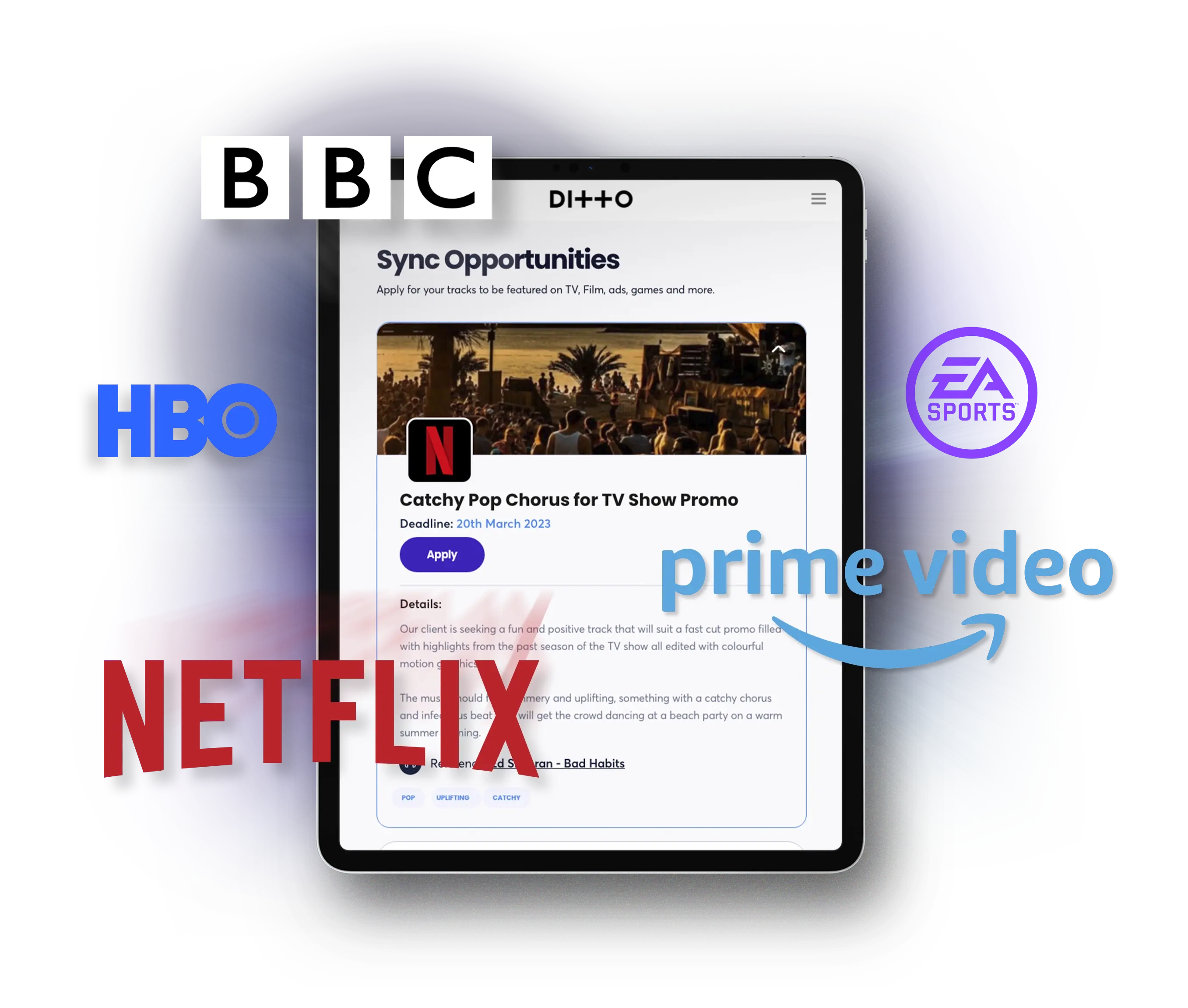
Sync royalties come from the use of music within any visual media, such as TV, film, video games or advertising.
Whenever a song is synced with a moving clip - think background music in a TV ad - the song’s copyright holders will receive compensation for its use.
The amount of sync royalties earned varies depending on different factors such as the popularity of the song, the prominence of its use within the visual media, and most importantly the terms negotiated between the parties involved.
Learn more about how to submit your music for sync.

4. Producer Points
Finally, we have producer points. These payments come in the form of a percentage share of a record's sales or its streaming revenue - usually negotiated separately from traditional royalty types.
These points are typically negotiated as part of the producer's contract with the artist or record label.
These points reflect a producer's creative contributions towards a song's production and like other royalty splits can vary depending on how involved they were in the creation of the song and the negotiation leverage of the different parties involved.
How to split your royalties
To steer clear of any uncomfortable conversations further down the line, we'd suggest sorting out your royalty split agreements as soon as possible. With Ditto, we've made things really simple.
All you need to do is head to the My Music section of your Ditto Dashboard and scroll down to My Releases. From here, you can select the Completed tab and select Royalty Splits attached to any of your completed releases.
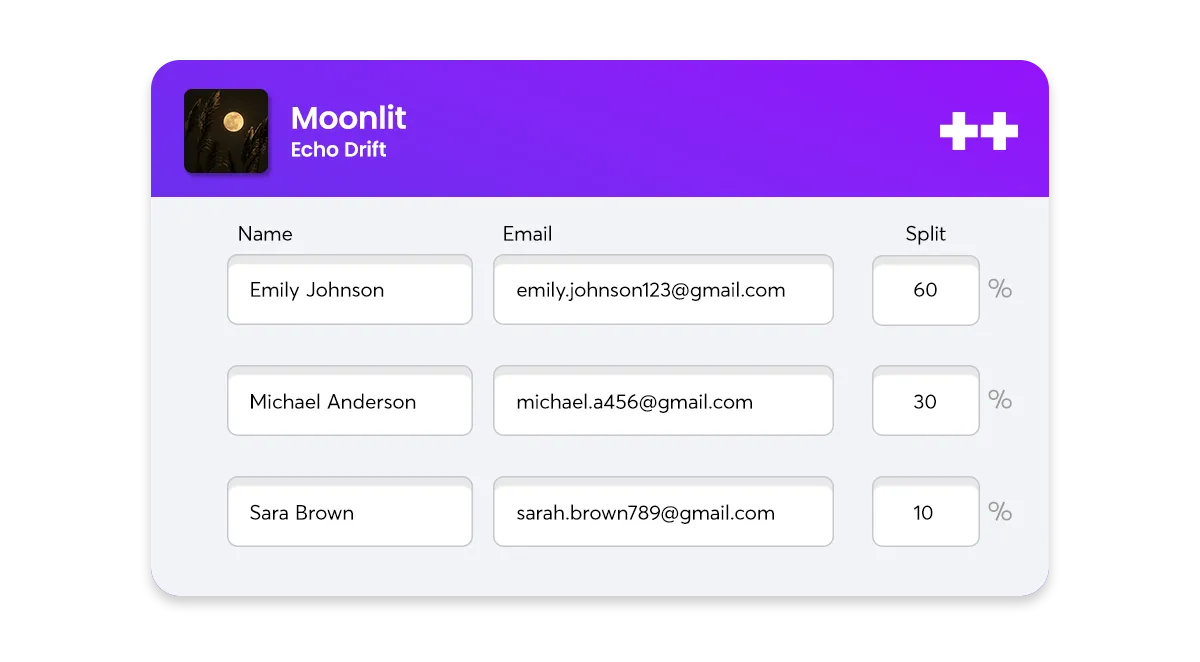
This'll bring you to the Royalty Splits dashboard where you can add your collaborators and assign their royalty shares for automatic split payments.
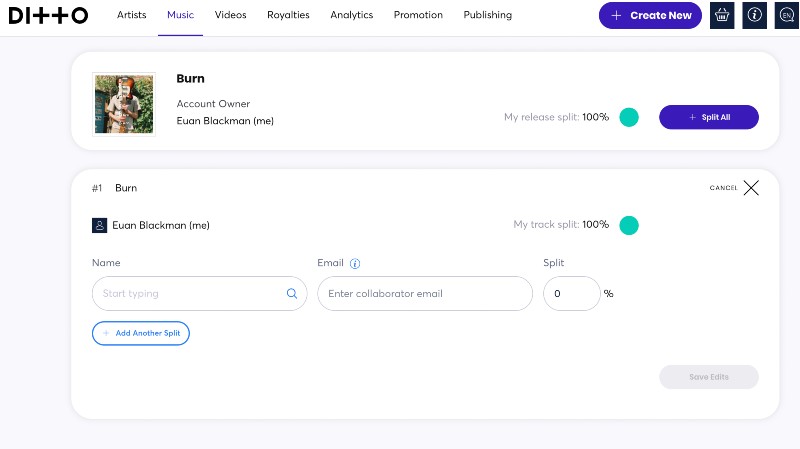
Your chosen collaborators won't need to pay for a subscription, but will receive an email inviting them to set up a free Ditto account so they can accept their royalty shares and withdraw earnings.
Check out the video below for more info on how to set up your royalty splits with Ditto.
Transparency and fairness are becoming increasingly important factors within the music industry, especially with the rise of controversial AI technology.
Royalty splits are a vital aspect of the music production process and give a reflection of the collaborative nature of creating music. Properly understanding the nuances of how these splits work and carrying out fair and transparent negotiations, artists, producers, songwriters and any other stakeholders can ensure that their contributions are duly recognised and rewarded.