
YouTube Content ID Explained
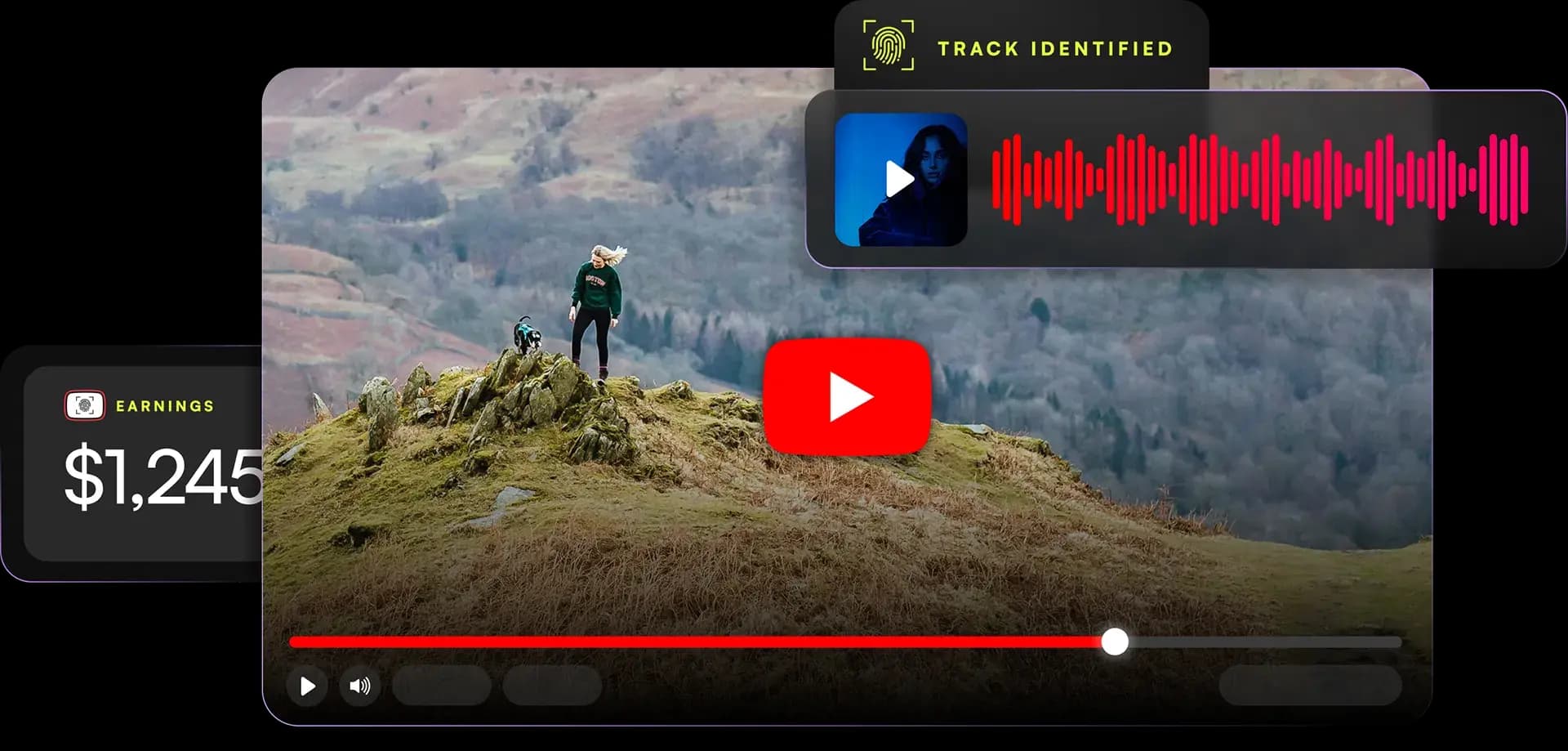
YouTube Content ID is YouTube’s identification system designed to help artists and copyright owners automatically identify their music and any videos that contain their copyrighted content.
Content ID helps protect content owners from any copyright infringements, comparing all uploaded videos to their internal database of uploads registered by rights holders.
But what does this mean for you as an artist? Here’s everything you need to know about YouTube Content ID.
What is YouTube Content ID used for?
Artists and content creators can use Content ID as a way of monetising their music across the whole of YouTube. If someone is using your songs, you should be getting paid for it. Right?
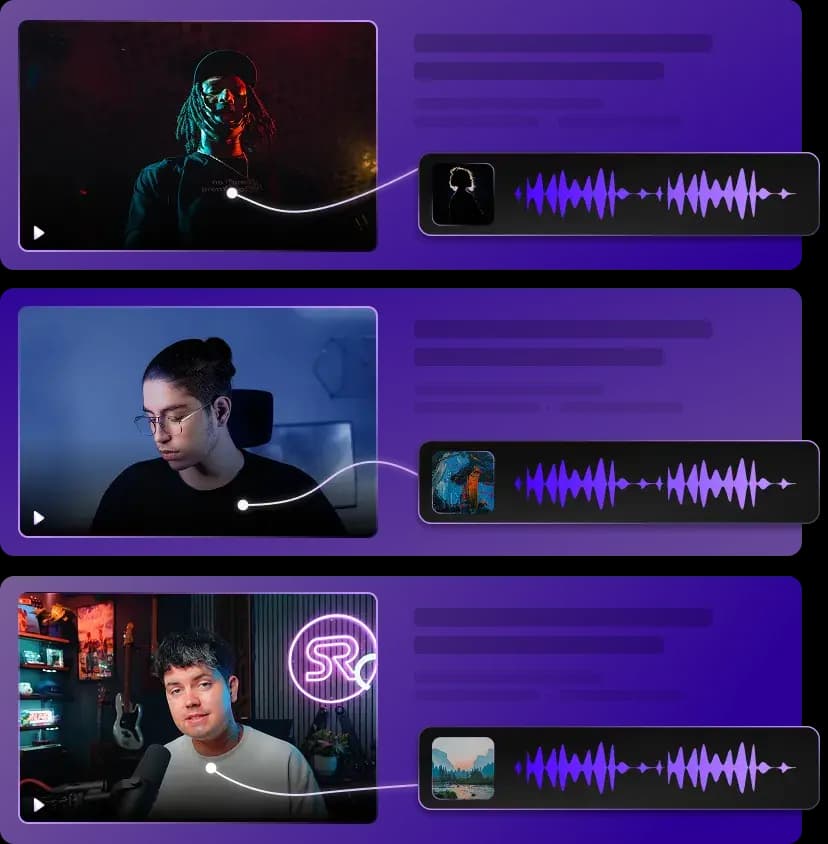
YouTube Content ID lets you claim royalties - from both your own videos that you’ve uploaded, and also from anywhere else that your music features.
This includes claiming royalties from:
- Any uploaded live performances - by yourself or fans
- Any samples of your music that appear across the YouTube platform
- Fan or officially posted clips from any tours or gigs including your audio
- Anywhere else your music may have been used
If you notice your music has been used by someone else - and without your permission - chances are, YouTube will already have sent you a notification to take action. This is what is referred to as a Content ID claim.
What is a YouTube Content ID claim?
YouTube Content ID claims are generated automatically whenever someone uploads a video which contains matching content, no matter how small a clip, to someone else’s within the ID management system. Whenever this happens, copyright owners - you - have a couple of different options to choose from.
Firstly, you can choose to block this newly added video from being viewed. This might be the right option for cases where someone has blatantly ripped off your music or tried to pass it off as their own. Not an ideal situation.
The arguably more beneficial option to you is to monetise the video and earn money from it. Some content creators might also reach out to you to suggest sharing this revenue with you. If you choose to go down this route, make sure to check YouTube’s claim guidelines within your region.
You’ll also have the option to track the uploaded video’s viewership statistics.
How to avoid Content ID claims on YouTube
As obvious as it may sound, the key to avoiding Content ID claims is to refrain from using any content that doesn’t belong to you.
Think carefully about your video visuals or any audio samples that you don’t own a license to use when uploading to the platform. YouTube will be in touch pretty promptly to help resolve things, but it’s better off to not have any issues in the first place.
There are also a few types of uploads that aren’t suitable to collect Content ID royalties. Minimise your chance of content claims and check them out below.
What is eligible for YouTube Content ID?
YouTube takes Content ID seriously, so you'll only be able to make claims around:
- Uses of your own material which you have exclusive rights to.
- Uses of third-party material which you have exclusive rights to.
We can't register your music for Content ID if it is under Public Domain, has previously been sent to Content ID using a different provider, or if you purchased or leased any beats under a Non-Exclusive Licence. For more info about what is eligible for YouTube Content ID, head to the Ditto Support Site.
Although Content ID is a great way for musicians to make extra cash and receive their deserved royalties, there are sometimes uploads which don’t qualify for the service. The most common reason for ineligibility is uploaders not owning exclusive rights to the track. Common examples of uploads which might not have exclusive rights include:
- Remixes of existing songs
- Compilations and Best Of uploads
- Video Gameplay
- TV or movie trailers
- Music that has been non-exclusively licensed
- Recordings of performances
To minimise issues, whenever copyright owners apply for Content ID, they have to sign and complete a user agreement. This agreement explains clearly that uploads require exclusive rights ownership.
If you’re unable to qualify for Content ID, YouTube also offers these copyright management tools that might suit your needs better:
- The Copyright Match Tool
- The Copyright Complaint Webform
- The Content Verification Program (CVP)

How much can I make from YouTube Content ID
How long is a piece of string? The answer to this question really does depend on how well you’re marketing your music and how dedicated you are to your YouTube strategy.
Basically, the more people who stream videos that contain your music, the more you’ll earn.
Just like on TikTok, if your tracks are picking up traction and people are vibing to them, the more likely it is that other creators will use your music in the videos.
However much you do earn through YouTube Content ID will be paid directly into your Ditto account as soon as we receive it each month.
How to register your music for YouTube Content ID
This is where we come in. Ditto Music is a YouTube-certified company, meaning we can set everything up for you and automatically register your music for YouTube Content ID on your behalf. Whether you're starting a record label or a solo musician, YouTube Content ID is available to all Ditto Pro and Labels artists.

If you're uploading music to YouTube, registering for Content ID is a must. Not only will this help protect your music across one of the world's biggest platforms, but it'll also make sure you get paid for your work. Get started today and sign up for YouTube Content ID with Ditto Music.